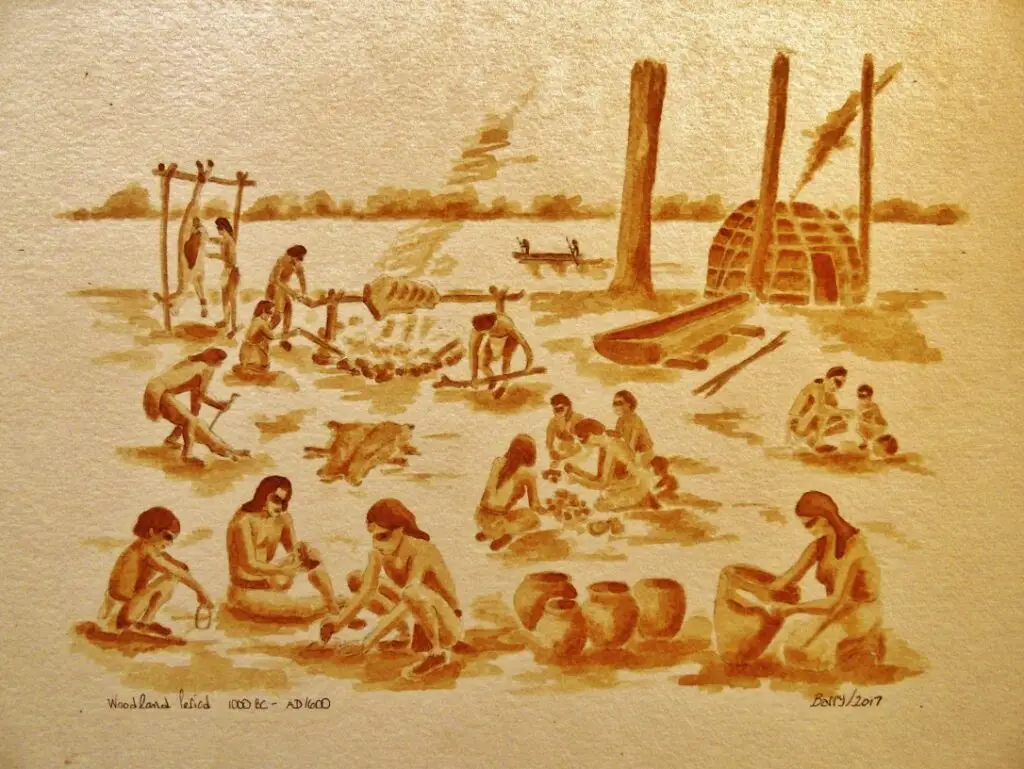
As many of us are making plans for the Fourth of July this week, we invite you to travel back to July 5th 1652, to the shores of the Severn River near present day Annapolis, where five representatives of the Susquehannock Nation signed a treaty with five British colonists, led by the interim Governor of Maryland, Richard Bennett.
The treaty– titled “Articles of Peace and Friendship” acknowledged English land claims on the upper Chesapeake Bay, allowed colonists to settle lands without harassment, in exchange for alliance and continual peace between the two parties. The Susquehannock’s entered this agreement with hopes of protecting their ancestral homelands and their very way of life in tumultuous times, but by 1675, the few surviving Susquehannock’s, decimated by disease and war, were largely absorbed by their former enemy– the Iroquois.
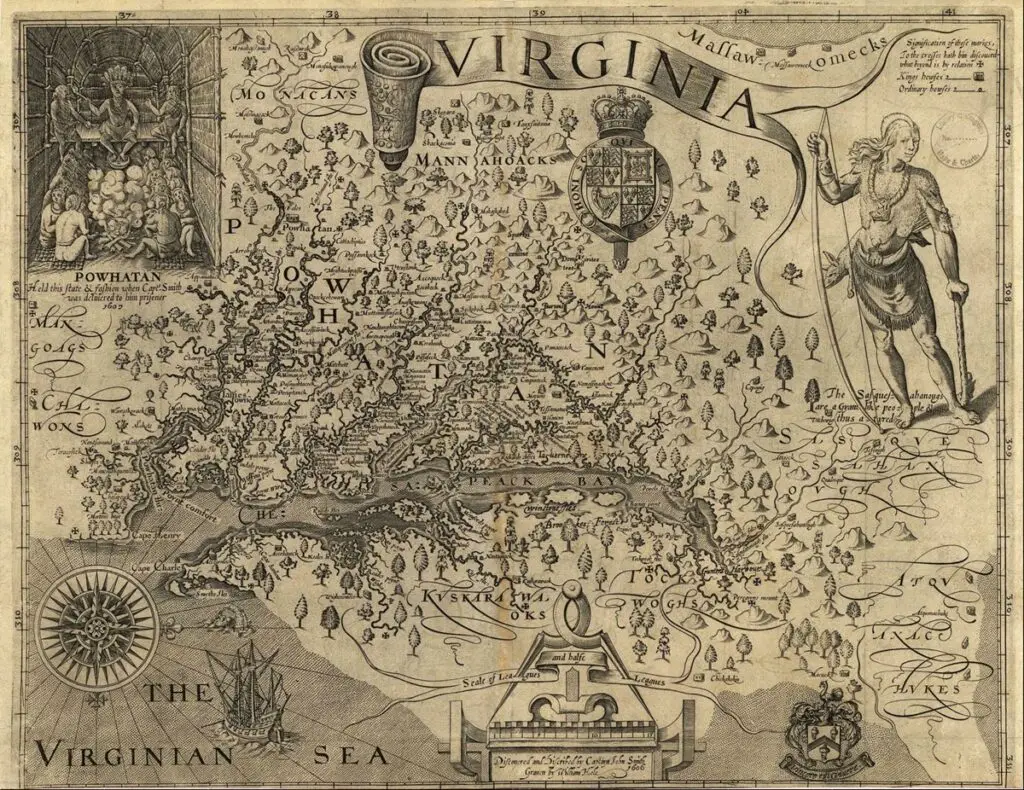
The Susquehannock’s were just one of many other native groups that were- and still are– connected to the lands we now call Anne Arundel County. The Algonquin-speaking Piscataway – who are culturally distinct from the Iroquoian speaking Susquehannock, were once the largest and most powerful tribal nation in the lands between the Chesapeake Bay and Potomac River.
They still hold sacred their traditional territory in present-day Charles, Prince George’s and St. Mary’s counties, extending north into Anne Arundel and Baltimore Counties. Their history is alive in oral traditions handed down through generations and place names alluding to their roots in the region endure on the landscape like the Patapsco, Patuxent, and of course, the Chesapeake. Through their resilience, and despite profound adversity the Piscataway culture thrives today in the State recognized tribes of the Piscataway Indian Nation and the Piscataway Conoy Tribe.
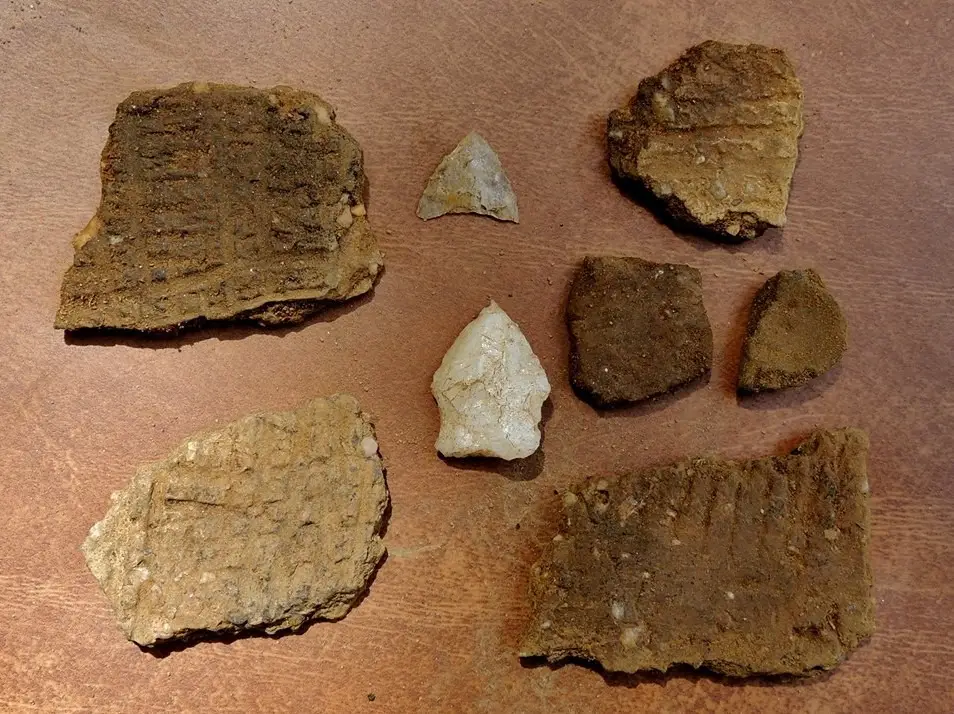
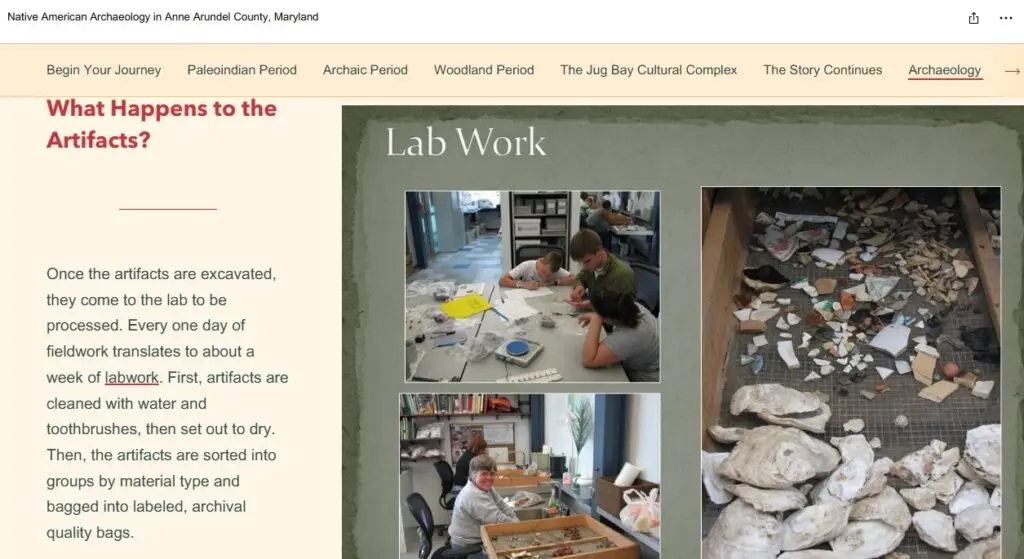
Archaeologists also seek to help rediscover and learn more about the deep history of indigenous peoples by studying artifact collections gathered over the past century. Anne Arundel County’s Archaeology Lab curates artifacts from more than 900 archaeological sites that pre-date European settlement, some items dating as far back as 13,000 years ago, and is actively working with the Piscataway peoples to ensure that the artifacts, and interpretations honor and respect their story.
Want to learn more? Check out these sites and resources:
-
- View the original 1652 Treaty at the Maryland State Archives or online at the Mayis, an Indigenous Records Guide of the Maryland State Archives, where you can learn about Indigenous People of Maryland through online resources and oral histories.
-
- Learn about the 1652 Treaty from the Conestoga-Susquehannock Tribe.
-
- Volunteer in an Archaeology Lab on Tuesdays and Wednesdays with Anne Arundel County’s Archaeology & Preservation Program and their partner, the Lost Towns Project.
-
-
- No experience needed but reservations are required!
-
-
- Volunteer in an Archaeology Lab on Tuesdays and Wednesdays with Anne Arundel County’s Archaeology & Preservation Program and their partner, the Lost Towns Project.
-
- Visit Jug Bay Wetland Sanctuary on the Patuxent River.
-
-
- Check out displays at the Visitors Center
-
-
-
- Read about archaeology & history at story board along on hiking trails
-
-
-
- Sign up for special archaeology themed hiking or paddling tours offered throughout the year.
-
-
-
- Stay in touch with programs by joining the Friends of Jug Bay
-
-
- Visit Jug Bay Wetland Sanctuary on the Patuxent River.
-
- Visit the Historic London Town House & Garden Archaeology Museum which has a large display of artifacts recovered from prehistoric sites from across the County.
- Learn about the ongoing work of Indigenous communities and American Indians in Maryland by visiting the Maryland Commission on Indian Affairs website.
- Download the Maryland State Arts Council Land Acknowledgement and Resource Guide
- Learn about the Jug Bay Cultural Complex, and view 3-D images of artifacts from across the County with the online resource– Native American Archaeology: A Heritage Toolbox.